
As someone who’s spent more than a decade working with vaporization hardware—testing devices, advising clinics, and training retail staff—I’ve learned that discussions around the weed vape australia space are often louder than they are useful. Most people I speak with aren’t looking for hype. They’re trying to understand what actually works in real conditions, under real regulations, and with real expectations about consistency and safety.
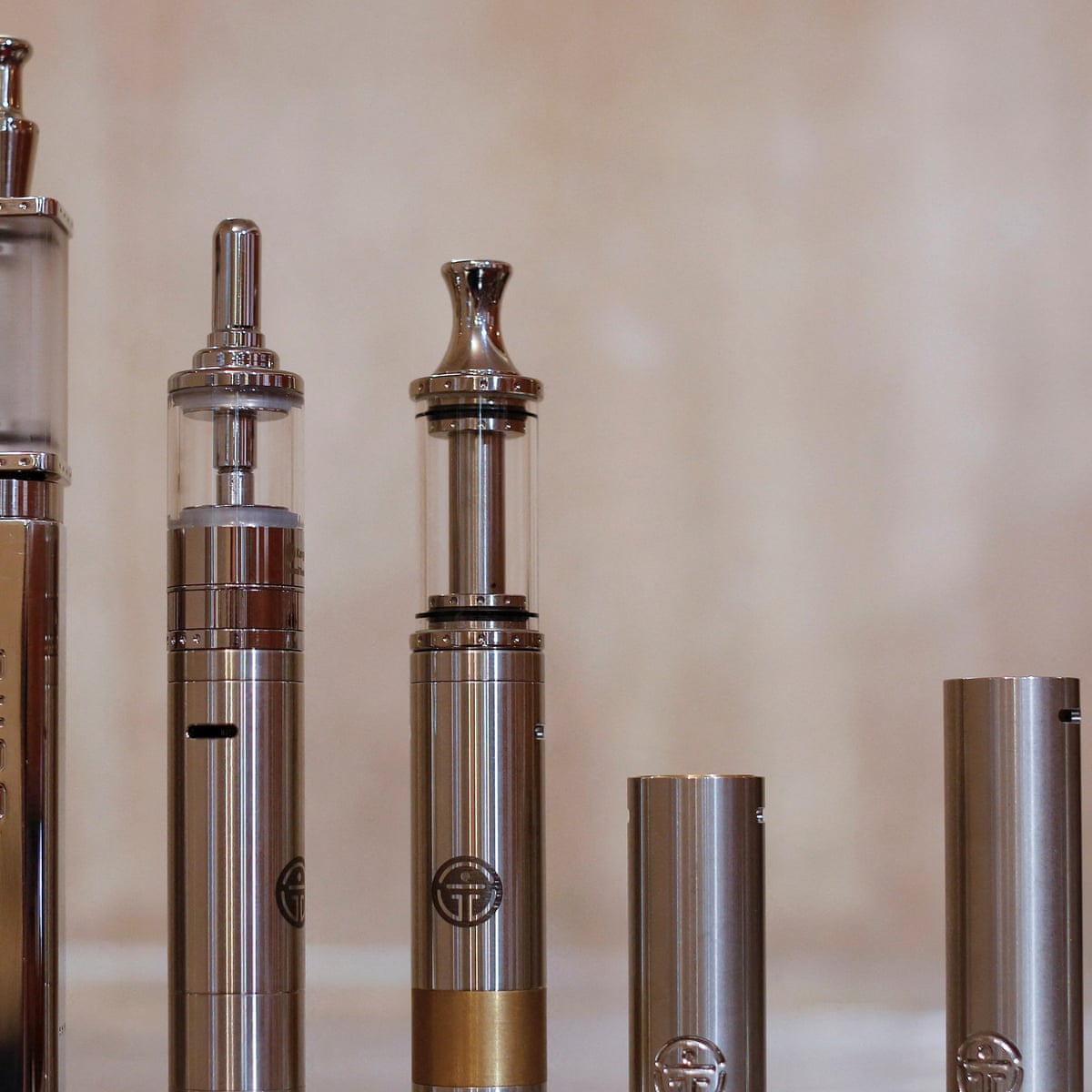
When I first encountered cannabis vaporization devices professionally, I came from a background in inhalation hardware and materials evaluation. That meant my attention went immediately to heating stability, airflow paths, and residue management rather than branding. I remember evaluating a cartridge-style unit that performed well in short trials but degraded quickly once exposed to repeated heat cycles. It wasn’t a dramatic failure—just a gradual drop in output that frustrated users over time. Experiences like that taught me to pay closer attention to build quality than to first impressions.
One mistake I see repeatedly is people assuming all weed vapes are interchangeable. They aren’t. Devices behave differently depending on how they’re engineered to handle heat, oils, or plant material, and those differences matter more in long-term use than most people expect. I’ve had conversations with users who blamed the product when the real issue was a mismatch between the device and how it was being used. That disconnect often leads to unnecessary replacements and disappointment.
Another detail that only shows up after years in this field is the role of regulation and supply chains. In Australia, compliance standards shape what devices are available and how they’re supported. I’ve seen well-designed hardware fall out of favor simply because replacement parts or cartridges weren’t consistently available. Reliability isn’t just about how something works on day one; it’s about whether it can be maintained months down the line.
From a professional standpoint, I’m cautious about overselling complexity. Some of the most dependable setups I’ve seen were straightforward, easy to clean, and predictable. On the other hand, devices loaded with features often introduced more points of failure. I’ve watched users abandon expensive units because upkeep became a chore rather than a routine.
After years of hands-on evaluation and user feedback, my perspective is shaped by longevity. A weed vape that fits within Australia’s regulatory environment and a person’s actual habits should feel stable, not finicky. When the device fades into the background and does what it’s meant to do without constant adjustment, that’s usually a sign it was chosen for the right reasons.